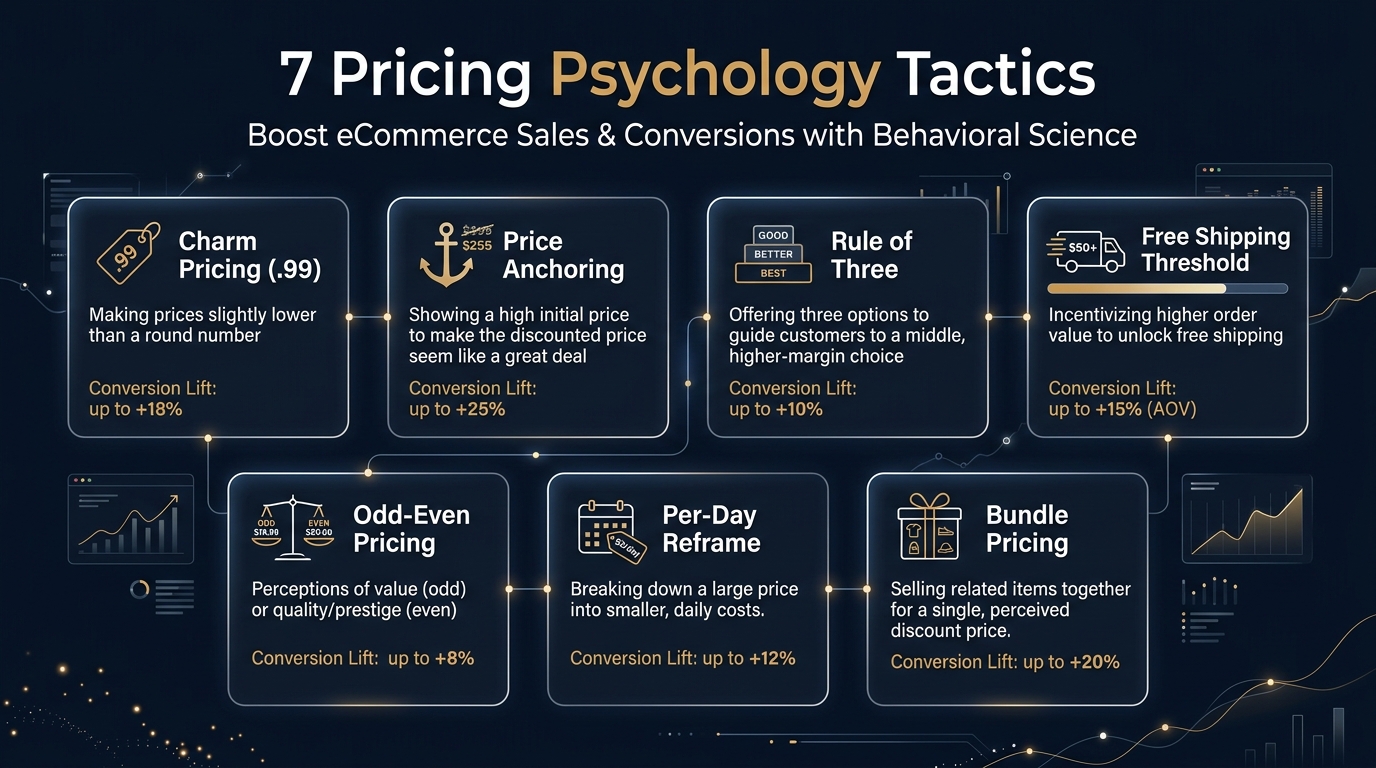
The Product Bundling Playbook: How Smart Bundles Increase AOV by 20-35%
Bundles are not just discounts in disguise. Done right, they increase AOV, move slow inventory, and improve margins. Here is the playbook.
Nguyen Tuan Dai
Founder & CEO, Okiela
Key Takeaways
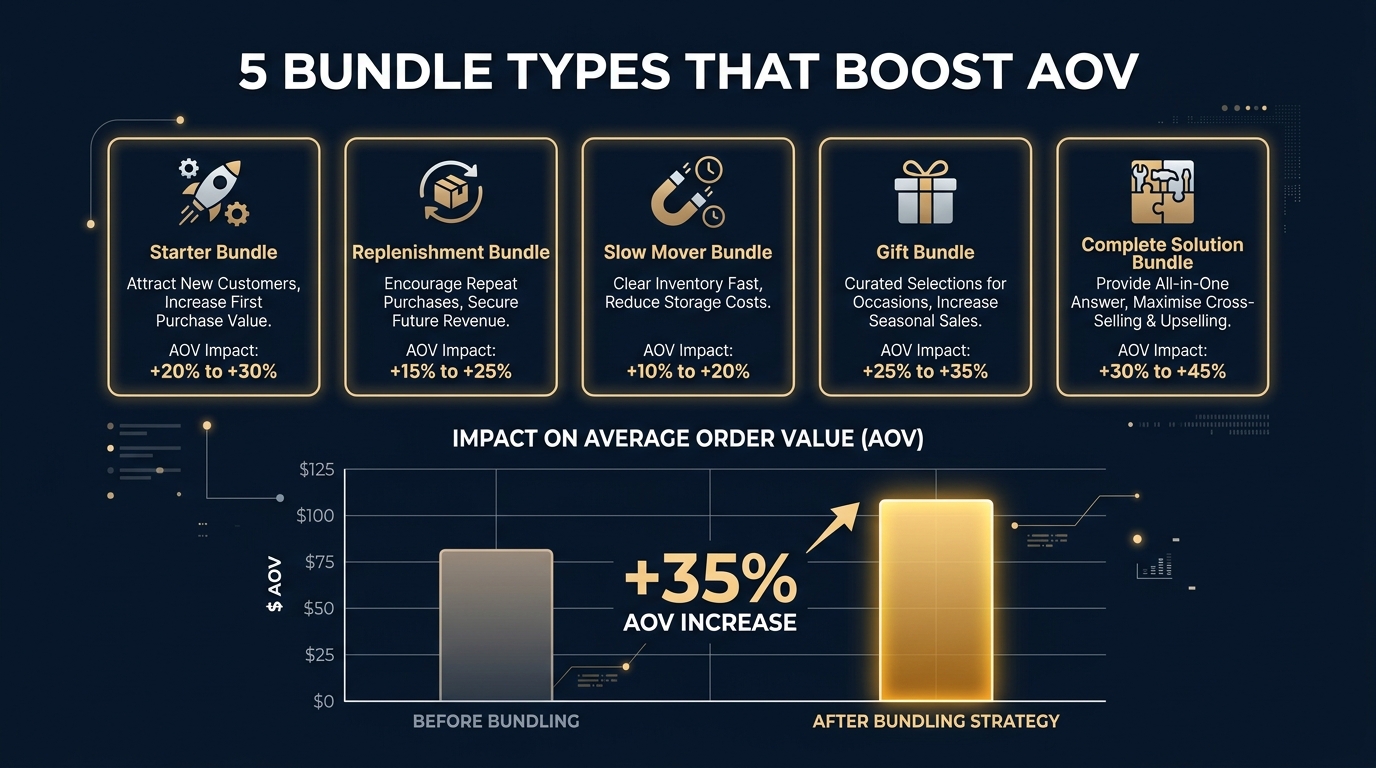
- 1Well-designed bundles increase AOV by 20-35% while maintaining or improving margin -- they are value architecture, not discounts
- 25 bundle types: Starter (acquisition), Replenishment (retention), Slow Mover (clearance), Gift (seasonal), Complete Solution (max AOV)
- 3Bundle pricing formula: Minimum price = Combined COGS / (1 - Target Margin %). Sweet spot is 15-25% off combined retail
- 4Gift bundles can actually charge MORE than individual items -- gift buyers value convenience and presentation over per-unit price
- 5Build-your-own bundles convert 15-20% better than fixed bundles for some categories -- offer at least one customizable option
Table of Contents (6 sections)
Product bundling is the most underused profit lever in ecommerce.
When done right, bundles:
- Increase AOV by 20-35%
- Move slow-selling inventory
- Improve margin (not reduce it)
- Reduce customer acquisition cost per dollar of revenue
- Create products competitors cannot directly compare
When done wrong, bundles are just discounts with extra steps. Here is how to do them right.
Why Bundles Work (The Psychology)
Bundles exploit three cognitive biases:
1. Loss Aversion: Customers hate losing a deal more than they enjoy saving money. When they see "Save $15 on this bundle," not buying it feels like losing $15.
2. Paradox of Choice: A store with 200 individual products overwhelms customers. A curated bundle of 3-5 products simplifies the decision.
3. Perceived Value: Customers naturally overestimate the value of bundles. A bundle of 3 products at 20% off feels like a bigger deal than each product at 7% off individually (even though the math is similar).
The 5 Bundle Types (And When to Use Each)
Type 1: The Starter Bundle (New Customer Acquisition)
What: A low-risk bundle of 2-3 best-sellers at a small discount.
When: For first-time customers who are not sure what to buy.
Pricing: 10-15% off individual prices.
Example: Skincare brand
- Cleanser ($24.99) + Moisturizer ($29.99) + Serum ($34.99) = $89.97 individually
- Starter Bundle: $74.99 (17% off)
Why it works: Customer gets to try 3 products instead of agonizing over which one to buy first. You get a $74.99 order instead of a $24.99 order.
Margin math:
- Individual COGS: $7 + $8 + $10 = $25
- Bundle revenue: $74.99
- Bundle margin: 66.7%
- Single product margin (cleanser only): $24.99 - $7 = $17.99 → 72% margin but on $25 instead of $75 revenue
Total profit: $49.99 (bundle) vs $17.99 (single). Bundle wins by $32.
Type 2: The Replenishment Bundle (Subscription Alternative)
What: Multi-month supply of a consumable product.
When: For products with predictable usage cycles.
Pricing: 15-25% off per unit.
Example: Coffee brand
- 1 bag (12 oz): $16.99
- 3-bag bundle (3-month supply): $43.99 (14% off per bag)
- 6-bag bundle (6-month supply): $79.99 (22% off per bag)
Why it works: Higher upfront revenue, locked-in repeat purchase (they have 6 months of coffee — they are not buying from a competitor). And the perceived deal is strong.
Type 3: The Slow Mover Bundle (Inventory Clearance)
What: Pair slow-moving inventory with a best-seller.
When: You have dead stock eating your carrying costs.
Pricing: 20-30% off, with most of the discount applied to the slow mover.
Example: Apparel brand
- Best-selling t-shirt ($35.99)
- Slow-moving belt ($24.99)
- Bundle: $44.99 (25% off total)
The hidden math:
- T-shirt: $35.99 → discounted to $31.99 (11% off)
- Belt: $24.99 → discounted to $13.00 (48% off)
- The belt COGS is $5. At $13, you still make $8 profit AND clear dead stock.
- Without the bundle, the belt sits in inventory costing you $1.25/month in carrying costs.
Type 4: The Gift Bundle (Seasonal Revenue Boost)
What: Curated gift set with premium packaging.
When: Holidays, Mother's Day, Valentine's Day, birthdays.
Pricing: Premium pricing (often HIGHER per unit than individual).
Example: Bath products brand
- Individual products: Soap ($12) + Bath bomb ($9) + Candle ($18) = $39
- Gift Set with box and ribbon: $44.99
Yes, the bundle costs MORE than buying individually. And it sells.
Why it works: Gift buyers value convenience and presentation over per-unit price. The gift box and ribbon cost you $3, but justify a $6 premium.
Type 5: The "Complete Solution" Bundle (Maximum AOV)
What: Everything the customer needs for a specific use case.
When: Your products solve different parts of the same problem.
Pricing: 15-20% off, with the highest margin item anchoring the bundle.
Example: Home fitness brand
- Resistance bands ($19.99) + Yoga mat ($34.99) + Foam roller ($24.99) + Exercise guide PDF ($0 cost to you) = $79.97
- Complete Home Workout Bundle: $64.99 (19% off)
Adding the $0-cost PDF makes the bundle feel more valuable while costing you nothing.
The Bundle Pricing Formula
Step 1: Calculate the combined retail price of all items.
Step 2: Calculate the combined COGS of all items.
Step 3: Set the bundle price to maintain at least your target margin.
Formula:
Minimum Bundle Price = Combined COGS / (1 - Target Margin %)
Example:
- Combined retail: $89.97
- Combined COGS: $25
- Target margin: 60%
Minimum Bundle Price = $25 / (1 - 0.60) = $62.50
You can price anywhere from $62.50 (break-even at target margin) to $89.97 (no discount). The sweet spot is usually 15-25% off retail: $67.48-$76.48.
Round to $69.99 or $74.99 (charm pricing).
5 Bundle Mistakes That Kill Margin
Mistake 1: Bundling Products Nobody Wants Together
A bundle of a best-seller and two random products is not a bundle — it is forced inventory dumping. Every item in the bundle should make sense together.
Test: Would a customer who buys Product A naturally want Product B? If you have to explain why they go together, they do not.
Mistake 2: Discounting Too Much
A 30-40% bundle discount means you are subsidizing the customer to buy more stuff. Keep discounts at 10-25%.
Mistake 3: Not Showing the Savings
If customers do not see the individual prices, they cannot perceive the deal. Always show:
- Individual price (crossed out): ~~$89.97~~
- Bundle price: $69.99
- You save: $19.98 (22%)
Mistake 4: Too Many Bundle Options
Three to five bundle options maximum. More than that recreates the paradox of choice problem.
Mistake 5: Fixed Bundles Only
Offer at least one "build your own bundle" option. Let customers pick 3 items for a flat price. This feels personalized and converts 15-20% better than fixed bundles for some categories.
Measuring Bundle Success
Track these 4 metrics weekly:
| Metric | Formula | Good Target |
|---|---|---|
| Bundle attach rate | Bundle orders / Total orders | 15-25% |
| AOV lift | Bundle AOV / Non-bundle AOV | 1.2x-1.5x |
| Bundle margin | (Bundle revenue - Bundle COGS) / Bundle revenue | Above 55% |
| Slow mover velocity | Slow SKU units sold via bundle / Total slow SKU units | Above 30% |
The Bottom Line
Bundles are not discounts. They are value architecture. A well-designed bundle increases your revenue per customer, clears slow inventory, and creates products that competitors cannot directly price-compare.
Start with one Starter Bundle of your top 3 products and one Slow Mover Bundle pairing dead stock with a best-seller. Measure for 2 weeks. Then iterate.
Upload your Shopify data to Okiela (free, 3 analyses/month) to identify which SKUs have the margin room for bundling. The AI flags slow movers and high-margin products — the perfect candidates for bundle pairing.
Find the hidden profit leaks draining your store.
Send one order export. Get your 3 biggest profit leaks back within 48 hours.
Request a free Profit Leakage AuditFree, founder-run, no pitch unless you ask. Every number labeled Verified or Estimated. Remove customer PII before upload.
Enjoyed this article?
Get weekly profit optimization tips and Okiela product news delivered to your inbox.
No spam. Unsubscribe anytime.
Nguyen Tuan Dai
Founder & CEO, Okiela
FP&A analyst building ecommerce tools on the side. Helping founders see their real numbers since 2025.
Related Articles
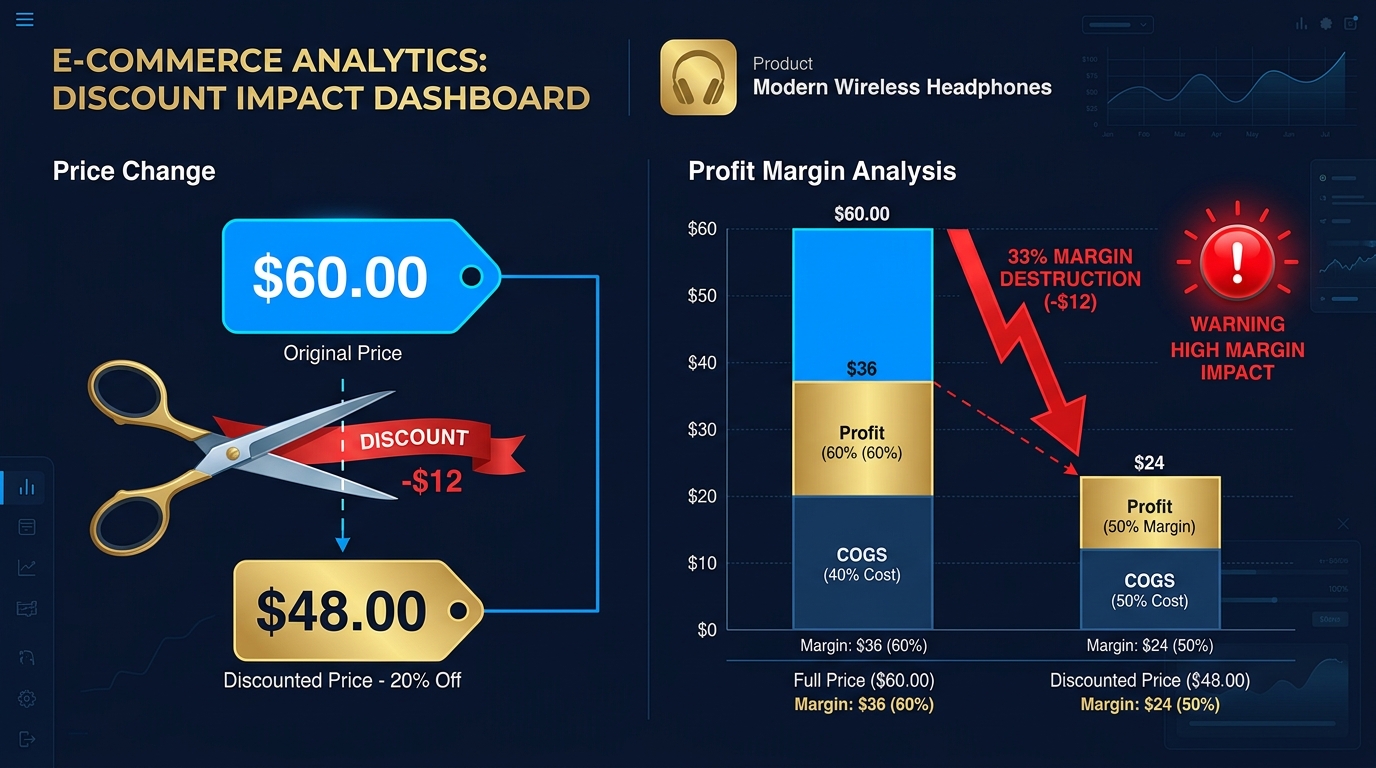
How Discounts Destroy Ecommerce Profit Margin — Even When Sales Go Up
12 min read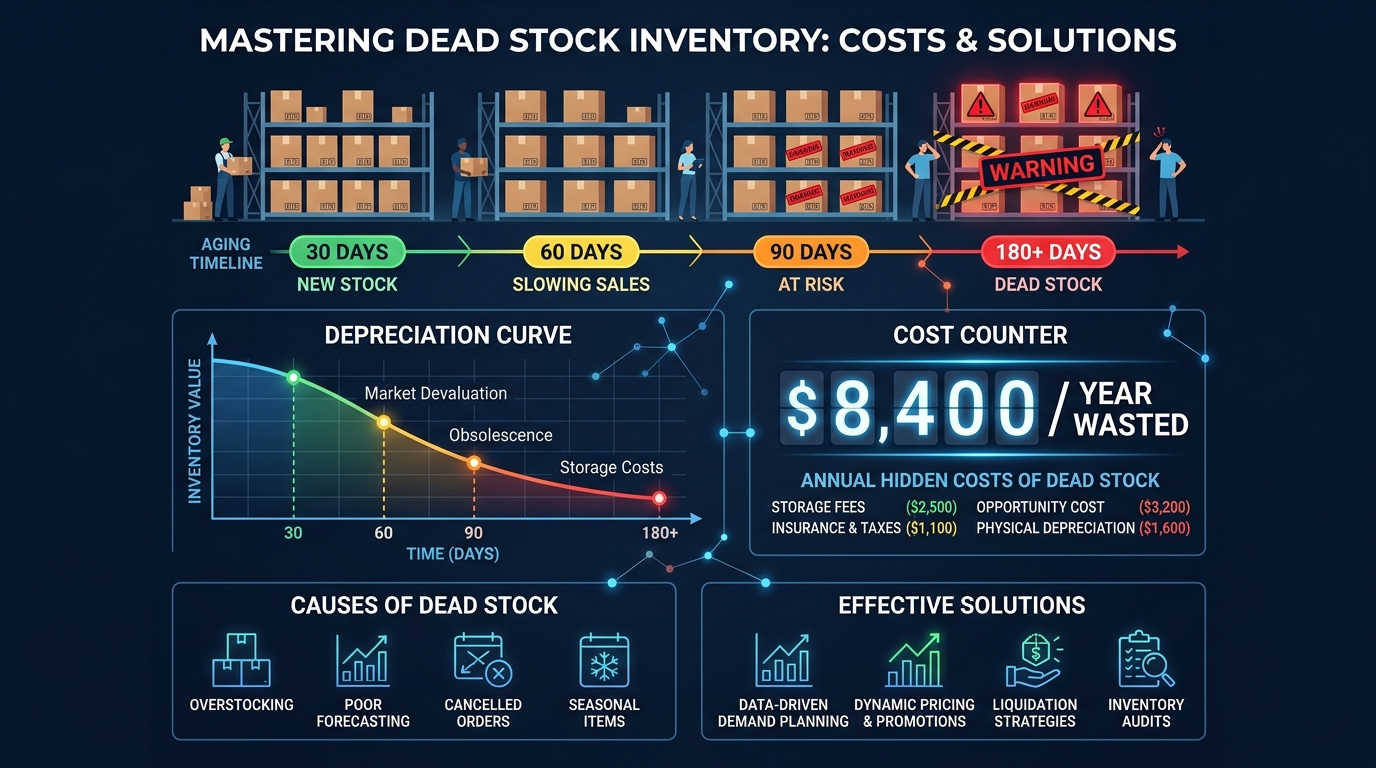
Dead Stock Is Eating Your Profit: How to Find It, Fix It, and Prevent It
12 min read